April 27, 2026
Efficient heating and cooling systems play a critical role in managing operational costs for commercial properties. As energy prices fluctuate and sustainability becomes a growing priority, businesses are increasingly focused on optimizing their building systems. Modern HVAC solutions are designed not only to maintain indoor comfort but also to reduce unnecessary energy consumption. With the guidance of experienced commercial HVAC contractors, organizations can implement systems and strategies that deliver long-term savings while supporting performance and reliability.
Energy efficiency is no longer viewed as an optional upgrade but as a fundamental component of responsible business operations. From office buildings and retail spaces to industrial facilities, HVAC systems account for a significant portion of overall energy use. When these systems are not properly maintained or optimized, they can quickly become a source of excessive expenses. By taking a proactive approach and partnering with knowledgeable commercial HVAC contractors, businesses can uncover opportunities to improve efficiency, reduce waste, and create a more sustainable operating environment.
Improving System Efficiency Through Regular Maintenance
Routine maintenance is one of the most effective ways to ensure a commercial HVAC system operates at peak efficiency. Over time, dust buildup, worn components, and minor issues can cause systems to work harder than necessary, leading to increased energy use. Regular inspections and tune-ups help identify and resolve these problems before they escalate.
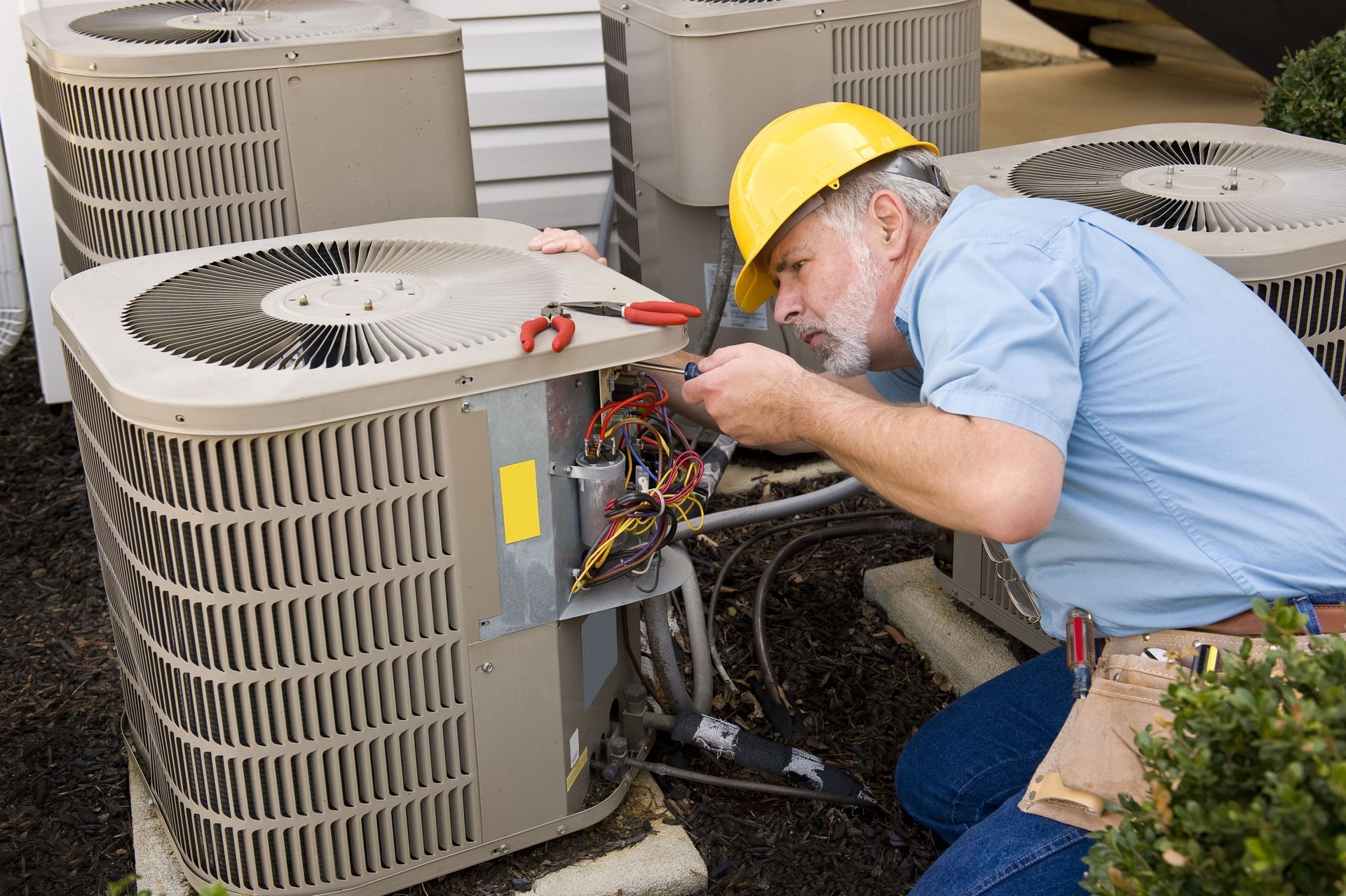
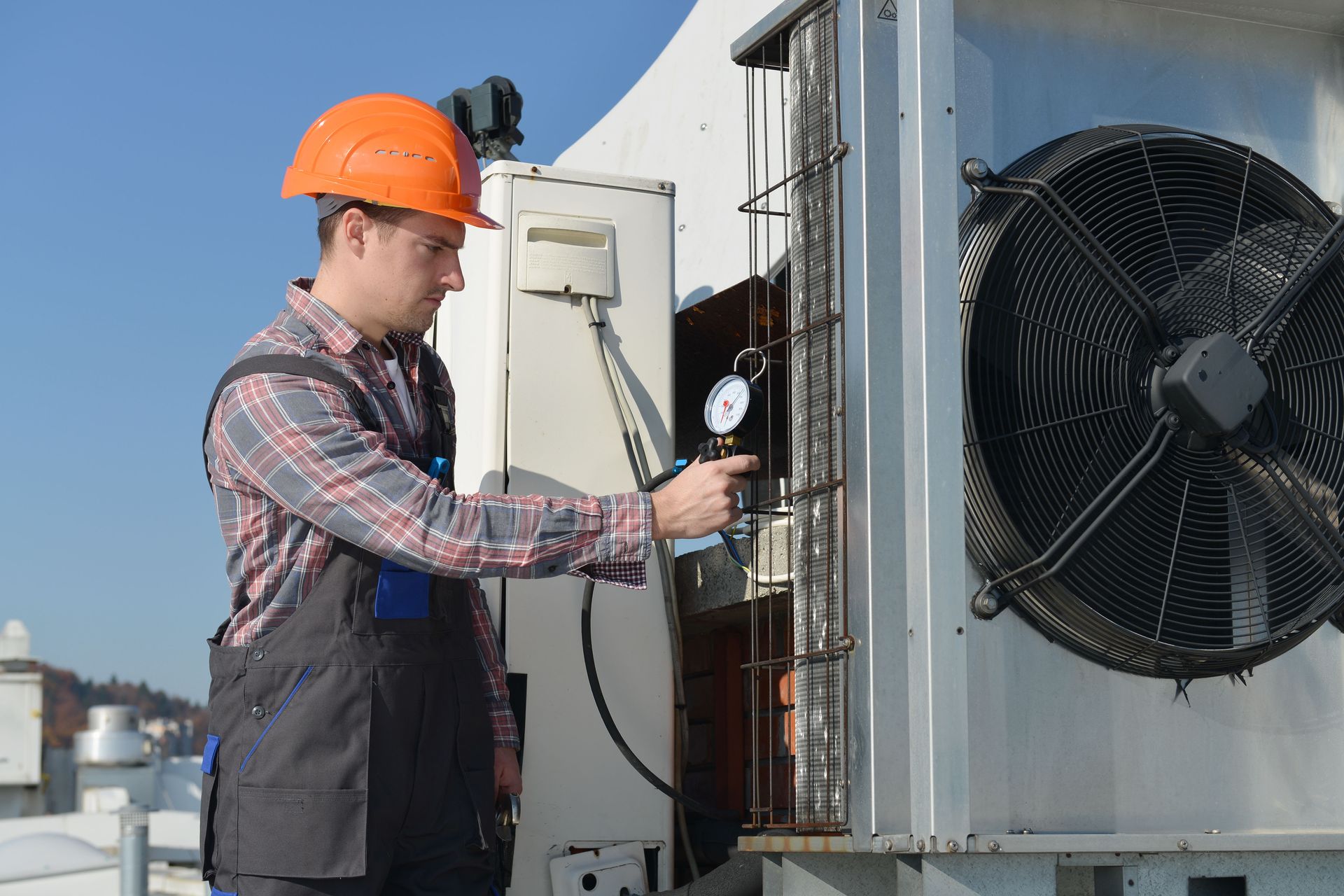
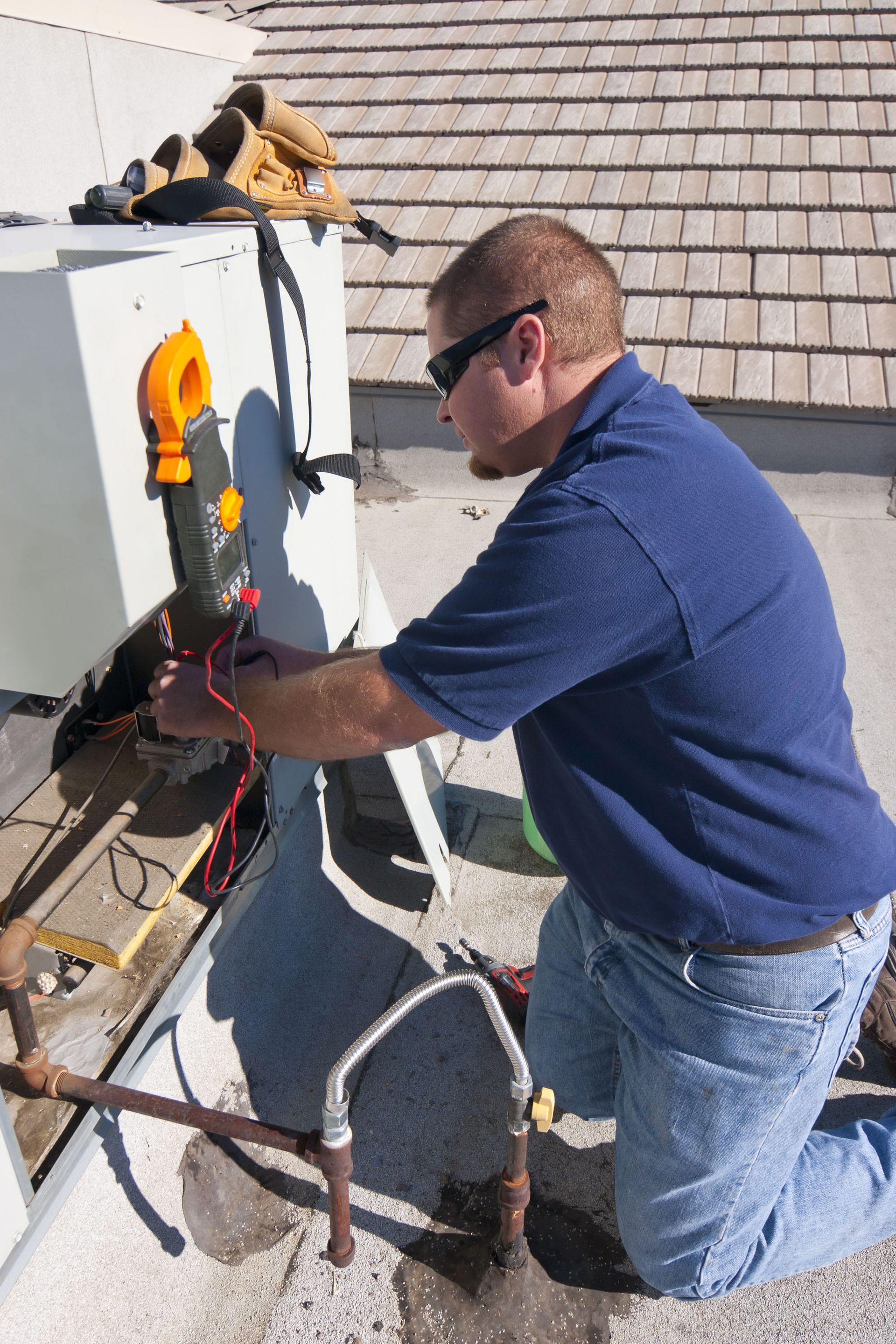
Commercial HVAC contractors play a vital role in maintaining system performance. By cleaning coils, replacing filters, and checking airflow, they help ensure that equipment runs smoothly. This proactive approach not only reduces energy consumption but also extends the lifespan of the system, minimizing costly repairs and replacements.
Consistent maintenance also supports better indoor air quality, which is essential for occupant health and comfort. When filters and components are kept clean, the system can circulate air more effectively, reducing the presence of dust and allergens. This added benefit reinforces the value of regular service as part of a comprehensive energy-saving strategy.
In addition, maintenance schedules can be tailored to the specific demands of each facility. High-traffic environments or buildings with specialized equipment may require more frequent attention. Commercial HVAC contractors can develop customized plans that align with operational needs, ensuring optimal performance throughout the year.
Upgrading to Energy-Efficient Equipment
Older HVAC systems often lack the advanced features and energy-saving capabilities of modern equipment. Upgrading to newer, high-efficiency models can significantly reduce energy usage while improving overall performance. These systems are designed to use less power while delivering consistent heating and cooling.
Commercial HVAC contractors can assess the specific needs of a facility and recommend equipment that aligns with its size and usage patterns. Investing in energy-efficient technology may require an upfront cost, but the long-term savings on utility bills often make it a worthwhile decision for businesses seeking sustainable solutions.
Modern systems often include variable-speed components that adjust output based on demand. This means the system does not have to operate at full capacity at all times, which reduces energy consumption and wear on components. Over time, this results in lower operating costs and improved system longevity.
Additionally, newer equipment is often designed with environmentally friendly refrigerants and improved engineering standards. These advancements not only enhance efficiency but also support compliance with evolving environmental regulations. Businesses that upgrade their systems position themselves for both immediate and future benefits.
Optimizing Building Automation Systems
Building automation systems allow businesses to monitor and control HVAC operations with precision. These systems can adjust temperature settings, manage airflow, and respond to occupancy patterns in real time. By automating these processes, companies can avoid unnecessary energy consumption during off-peak hours.
Commercial HVAC contractors are instrumental in integrating automation systems into existing infrastructure. Their expertise ensures that all components work together seamlessly, maximizing efficiency and minimizing waste. This level of control enables businesses to maintain comfort while reducing operational costs.
Automation also provides valuable data insights. Facility managers can analyze energy usage patterns and identify areas where improvements can be made. This data-driven approach allows for continuous optimization, ensuring that the system operates as efficiently as possible over time.
Furthermore, automation systems can be programmed to align with business schedules. For example, temperature settings can be adjusted during non-operational hours to conserve energy. These small but impactful adjustments contribute to significant cost savings in the long run.
Enhancing Insulation and Sealing Air Leaks
Energy efficiency is not solely dependent on HVAC equipment. The building envelope also plays a crucial role in maintaining indoor temperatures. Poor insulation and air leaks can allow conditioned air to escape, forcing the system to work harder to maintain desired conditions.
Commercial HVAC contractors often collaborate with building managers to identify areas where insulation can be improved and leaks can be sealed. Addressing these issues helps retain heated or cooled air, reducing the strain on the system and lowering energy consumption. This holistic approach ensures that all aspects of the building contribute to efficiency.
Improving insulation can also enhance overall comfort within the building. Consistent temperatures are easier to maintain when external influences are minimized. This creates a more stable indoor environment, which can positively impact employee productivity and customer satisfaction.
Sealing air leaks around windows, doors, and ductwork is another critical step. Even small gaps can lead to significant energy loss over time. By addressing these vulnerabilities, businesses can achieve better control over their indoor climate while reducing unnecessary expenses.
Implementing Smart Thermostat Strategies
Smart thermostats provide greater control over temperature settings and energy usage. These devices can learn usage patterns, adjust settings automatically, and allow remote access for facility managers. By optimizing temperature control, businesses can reduce energy waste without compromising comfort.
Commercial HVAC contractors can install and configure smart thermostats to align with a building’s specific needs. Their expertise ensures that the system operates efficiently and that temperature settings are optimized for both occupied and unoccupied periods. This targeted approach leads to measurable energy savings over time.
Advanced thermostat strategies also include zoning capabilities. Different areas of a building may have varying heating and cooling requirements. By dividing the space into zones, businesses can direct energy where it is needed most, avoiding unnecessary usage in unoccupied areas.
Improving Airflow and System Design
Proper airflow is essential for an HVAC system to function efficiently. Poorly designed ductwork or blocked vents can restrict airflow, causing the system to work harder and consume more energy. Ensuring that air moves freely throughout the building is key to maintaining efficiency.
Commercial HVAC contractors evaluate system design and make necessary adjustments to improve airflow. This may include resizing ducts, balancing air distribution, or removing obstructions. By optimizing airflow, businesses can achieve consistent temperatures while reducing energy consumption.
In addition, proper airflow reduces strain on system components. When air circulates efficiently, the system does not need to work as hard to achieve desired temperatures. This not only lowers energy costs but also extends the life of the equipment.
According to Jobber, the global HVAC system market is projected to grow at a rate of 7.4% between 2024 and 2030. This trend highlights the increasing demand for energy-efficient solutions and the growing recognition of HVAC systems as a critical component of business operations.
Efficient commercial HVAC systems offer more than just cost savings. They contribute to a more comfortable and productive indoor environment, which can have a positive impact on employees and customers alike. A well-regulated indoor climate supports focus, reduces distractions, and enhances overall satisfaction within the space.
At O'Dell Service Co, we are committed to helping businesses achieve greater efficiency, improved performance, and lasting energy savings through customized HVAC solutions designed to meet their unique operational needs.