August 26, 2026
Modern enterprises rely on stable infrastructure to maintain seamless operations. Beneath the surface of daily corporate tasks, mechanical systems work without pause to provide a hospitable environment. When underlying structural components falter, the organizational framework faces severe disruption. Facility managers understand that reliable climate control stands as a core pillar of structural viability. A comfortable environment allows personnel to focus on projects and machinery to function without overheating.
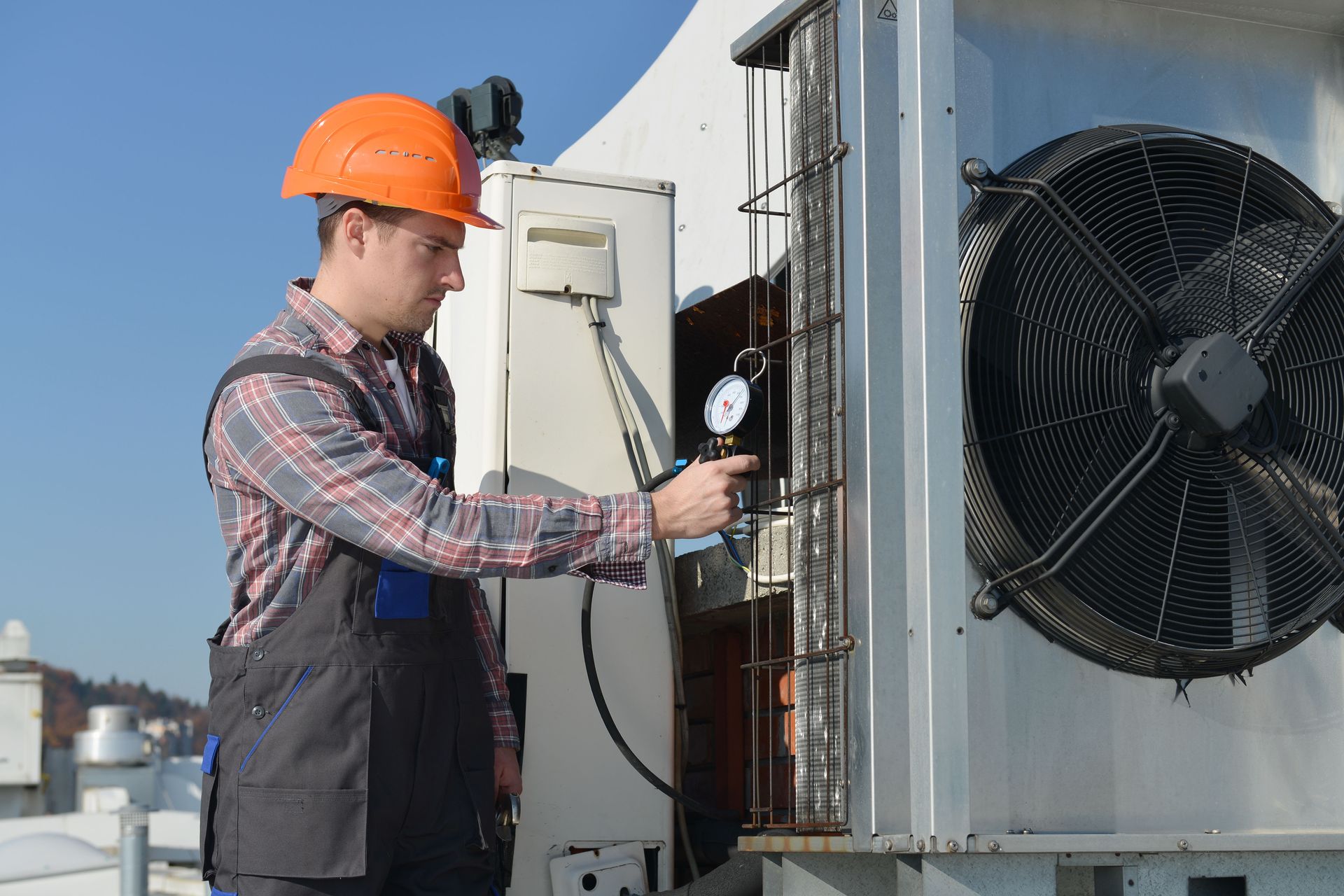
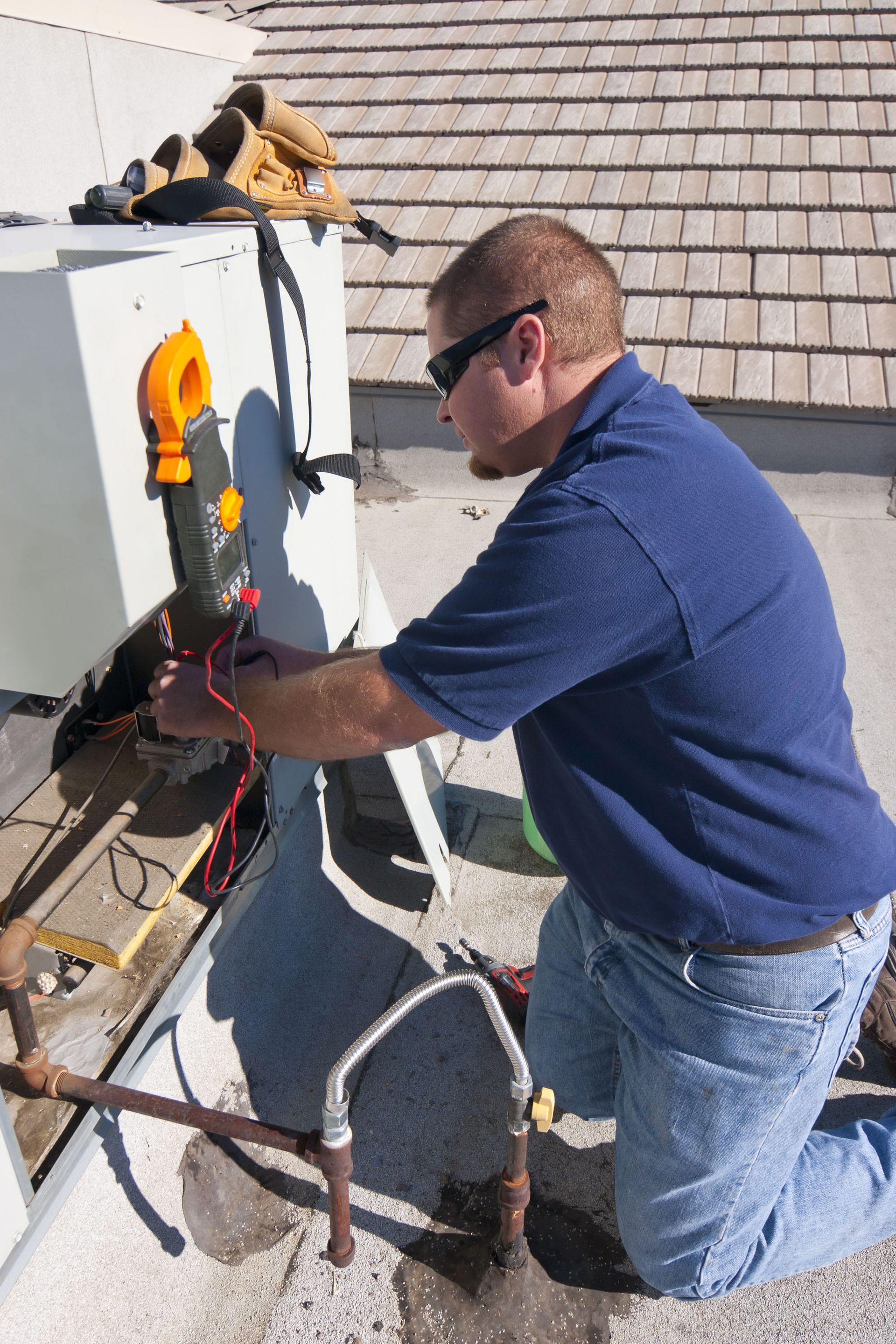
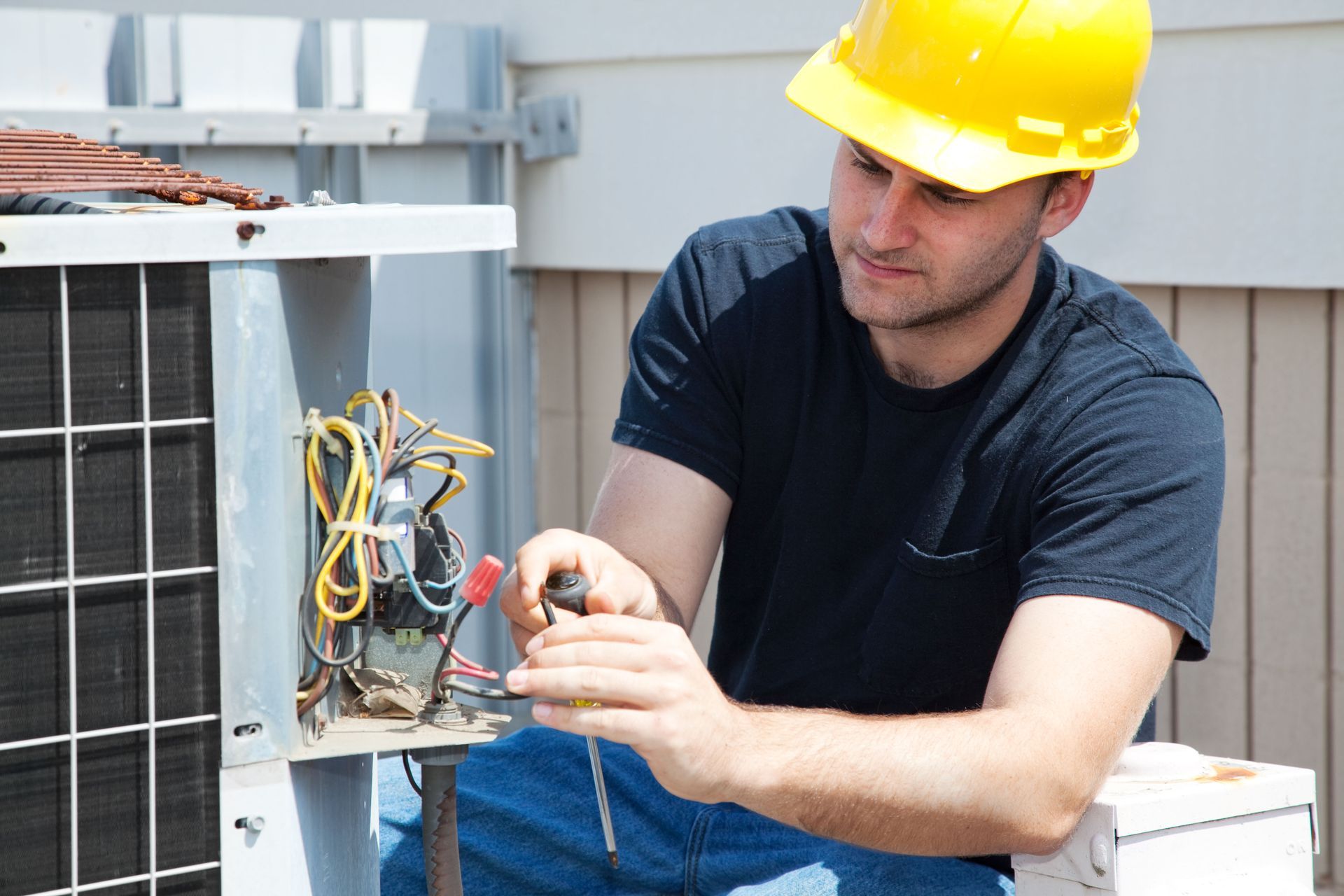
Addressing wear and tear before catastrophic failure prevents devastating financial consequences. Neglected climate control units degrade over time, leading to poor air circulation, erratic temperatures, and eventual breakdowns. Organizations taking a proactive stance on mechanical upkeep avoid the cascading negative effects of a facility shutdown. Securing timely commercial HVAC repairs ensures the indoor environment remains stable and conducive to corporate activities. Ideal ambient conditions protect the broader business model.
Securing Workplace Productivity
Human performance depends on environmental comfort and stability. Offices plagued by extreme temperatures see a distinct decline in employee morale and output. When personnel shiver from excessive air conditioning or sweat in stifling heat, concentration evaporates. Managing ambient temperatures through proper system maintenance keeps the workforce engaged and productive. A regulated climate removes physical discomfort from the equation, allowing staff members to dedicate full attention to crucial assignments.
Poor indoor air quality detracts from cognitive function and overall well-being. Dust, mold spores, and airborne allergens circulate through neglected ductwork, irritating staff and office visitors. Clean filters and functional ventilation pathways remove airborne contaminants before they enter the breathing space. Breathing fresh air supports mental clarity and physical stamina during professional shifts. Regular system cleanings ensure oxygen levels remain optimal and airborne pollutants stay out of the ecosystem.
Ambient noise presents another hidden distraction stemming from failing machinery. Rattling belts, squeaking fan blades, and grinding motors disrupt concentration and professional communication. Mechanical systems operating at peak condition run with minimal auditory interference, blending into the background of a busy office. Eliminating erratic sounds helps maintain a professional atmosphere free from structural disturbances. Quiet operation allows meetings to proceed without interruption and prevents employee frustration caused by incessant whining.
Consistent airflow distributes conditioned air across all zones of a commercial building. Without uniform distribution, certain areas become uninhabitable hot spots or freezing corners. Proper calibration and targeted commercial HVAC repairs eliminate these uneven zones and restore balance to the property. A balanced indoor climate ensures every desk, corridor, and conference room remains usable throughout changing seasons. Maximizing usable square footage requires a ventilation system capable of reaching every space.
Preventing Unexpected Downtime
Sudden system failures halt corporate activities, causing operational chaos. When severe weather strikes, a broken air conditioner or heating furnace forces immediate building evacuations. Sending staff home due to unlivable interior conditions stalls project momentum and disrupts critical client deadlines. Routine system assessments identify failing parts before they trigger full-scale facility shutdowns. Proactive oversight guarantees external weather extremes never dictate the internal operating schedule of a dedicated enterprise.
Retail environments suffer immediate financial impacts from uncomfortable indoor climates. Shoppers leave stores that feel stuffy or freezing, abandoning intended purchases at the door. Keeping the retail floor pleasant encourages longer consumer visits and increases sales volume. Dependable mechanical performance creates an inviting space for consumer engagement and browsing. Retailers who prioritize climate management see better foot traffic retention and stronger consumer satisfaction metrics compared to businesses neglecting maintenance.
Data centers and designated server rooms face severe risks during ambient temperature fluctuations. Electronics generate intense heat during operation and require constant cooling to avoid catastrophic meltdowns. If cooling infrastructure fails, servers shut down to prevent permanent hardware damage. Protecting vital technological assets demands unwavering climate control reliability from robust cooling arrays. Any lapse in chilling capacity brings digital operations to a grinding halt, affecting entire organizational networks.
Hospitality venues rely on perfect ambient conditions to satisfy paying guests. Hotels and restaurants lose valuable patronage if dining rooms or luxury suites lack proper ventilation and temperature moderation. Negative online reviews regarding facility comfort deter future bookings and damage brand reputation. Consistent commercial HVAC repairs safeguard against these public relations disasters by ensuring a pleasant guest experience. Patrons return to establishments providing a welcoming and physically comfortable atmosphere.
Protecting Essential Equipment
Beyond human comfort, heavy machinery operates within strict temperature tolerances. Manufacturing plants utilize heavy equipment prone to severe overheating during extended production cycles. Industrial cooling units mitigate massive heat generation, keeping assembly lines moving. Functional chillers and massive exhaust fans prevent mechanical seizures and expensive factory production delays. Without adequate cooling, vital manufacturing components warp, degrade, or catch fire, bringing industrial efforts to an abrupt standstill.
Inventory spoilage poses a constant threat in warehouses storing delicate perishable goods. Pharmaceuticals, cosmetics, and raw food items demand strict climate regulation to retain viability and safety. A slight deviation in ambient temperature or indoor humidity compromises sensitive shipments. Maintaining pristine warehouse conditions prevents massive inventory write-offs and supply chain failures. Distributors investing in premium climate infrastructure ensure stored products reach end consumers in peak condition without degradation.
Condensation from failing ventilation creates hazardous moisture build-up along walls and ceilings. Excess humidity breeds toxic mold and rusts structural metal components, deteriorating the building architecture. Dehumidification features within modern cooling systems extract airborne water vapor before it settles. Keeping vital extraction systems functional preserves the facility framework and internal physical assets. A dry, temperate environment blocks structural decay and protects vulnerable corporate resources from water damage.
Replacing damaged inventory or ruined machinery requires massive, unplanned capital outlays. Preventive part replacements cost a fraction of the price compared to full catastrophic equipment loss. Facility managers prioritize commercial HVAC repairs to extend the lifespan of dependent technology inside the structure. Defending structural investments keeps the enterprise financially solvent and resilient against hardware failures. Routine care transforms potential structural emergencies into predictable maintenance tasks.
Managing Operational Expenditures
Faulty mechanical systems consume excessive electricity to compensate for decreased output efficiency. Clogged cooling coils and failing compressor motors force units to draw massive power to achieve the desired thermostat setting. Wasted energy translates into inflated utility bills. Restoring system efficiency minimizes power draw and conserves vital corporate operating funds. Keeping mechanical components clean and well-lubricated ensures energy usage remains as low as possible.
Energy conservation ranks high on the priority list for modern corporate management. According to the U.S. Department of Energy, because buildings consume roughly 75% of the nation's electricity, prompt commercial HVAC repairs are vital for sustaining energy efficiency and lowering operational expenses. Integrating this reality into facility management planning proves essential for long-term viability. Curtailing excessive power usage aligns with fiscal responsibility and broad environmental sustainability goals.
Aging units inch closer to complete, irreversible failure with every missed professional tune-up. The sheer financial burden of installing a brand-new climate system dwarfs the minor expense of replacing a worn belt or refilling lost refrigerant. Extending the operational life of the current system delays massive, disruptive capital expenditures. Organizations benefit from maximizing the utility of existing infrastructure rather than defaulting to premature, expensive system overhauls.
Emergency service calls carry premium price tags compared to scheduled maintenance interventions. When a unit breaks in the middle of a brutal heatwave, contractors charge elevated labor rates for immediate assistance. Planning with proactive diagnostics prevents urgent, highly costly scenarios from ever materializing. Strategic facility management favors calculated maintenance over desperate, reactive crisis spending. A well-planned maintenance schedule locks in predictable costs and avoids sudden budget-busting emergency invoices.
The hidden mechanics of a commercial space dictate the ultimate success of the enterprise operating within its physical walls. Without reliable climate control, workplace productivity drops, vital equipment fails, and utility expenses surge beyond budget constraints. Dedicated attention to commercial HVAC repairs establishes a firm foundation of operational and structural reliability for the future. Let our team at O'Dell Service Co help you maintain a comfortable, efficient workspace. Contact us today to schedule your commercial HVAC repairs and protect your facility from unexpected downtime.